
Please Leave Us A Message
Privacy statement: Your privacy is very important to Us. Our company promises not to disclose your personal information to any external company with out your explicit permission.

In the realm of heavy industrial machinery and power transmission systems, high-performance hubs and coupling components are the critical interface between motors, gearboxes, and load-bearing equipment. These precision-engineered forged parts ensure seamless torque transfer while absorbing shock loads and compensating for minor misalignments.
For global OEMs in wind power, heavy equipment, and energy generation, sourcing reliable industrial coupling hubs is not just about buying a component—it's about securing the integrity of your entire drivetrain system. A failure in a hub or coupling can lead to catastrophic downtime, making material quality and manufacturing precision paramount.
Jiangyin Liaoyuan New Energy Co., Ltd. specializes in producing these vital components using advanced open-die forging and CNC machining techniques. Our heavy-duty gearbox coupling hubs are designed to withstand extreme operational stresses, ensuring your machinery runs efficiently throughout its lifecycle.
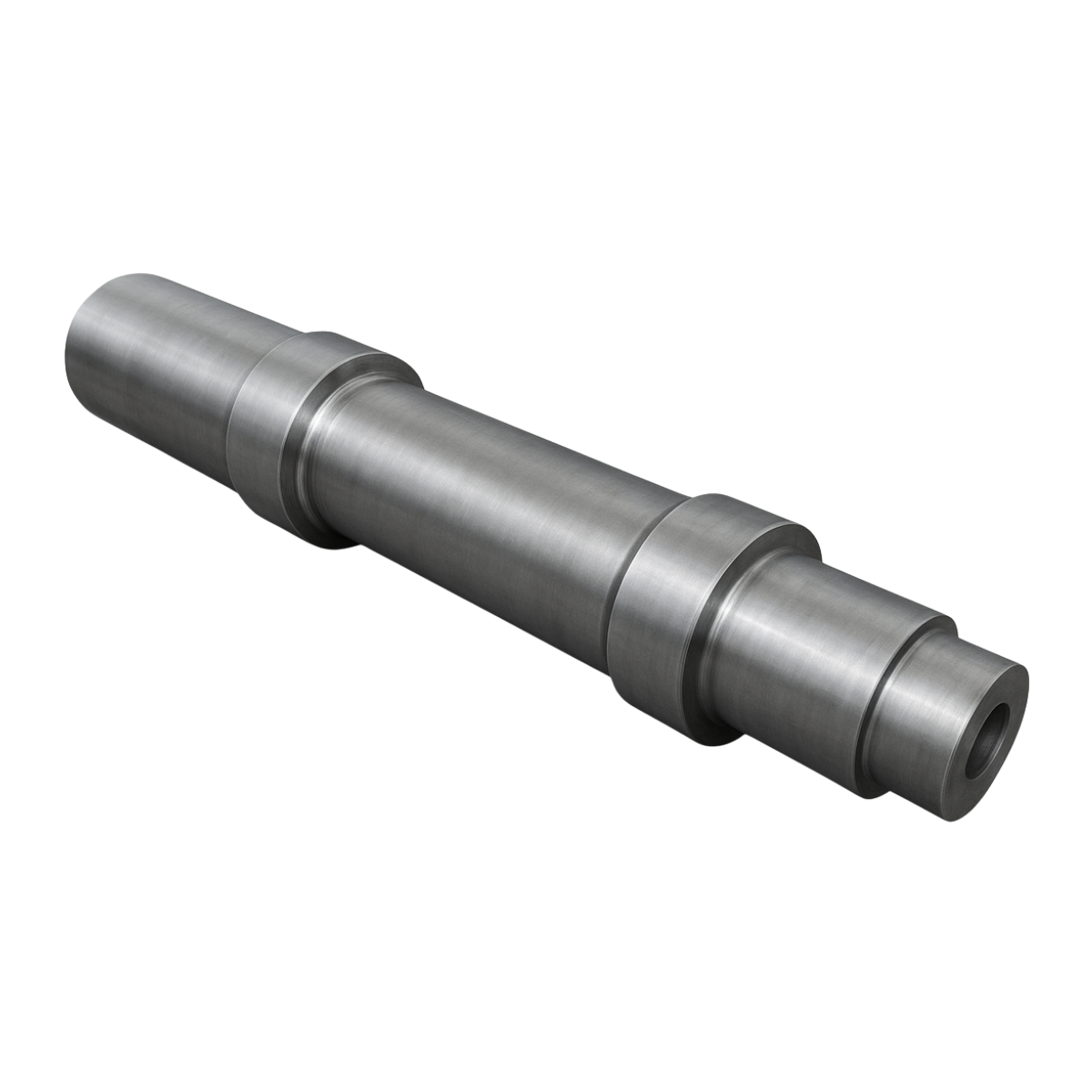
Our integrated manufacturing process ensures that every forged shaft and coupling hub meets the rigorous demands of global industrial standards. From raw material selection to final inspection, we maintain strict control over every variable.
We utilize open-die forging and ring rolling to create durable coupling blanks with optimized grain flow structures. This process enhances the mechanical strength of the metal, ensuring that our hubs can handle high-torque applications without structural failure.
Our facility features state-of-the-art CNC machining centers capable of processing components up to 10 tons. Every part undergoes rigorous testing, including CMM measurement and ultrasonic testing, guaranteeing dimensional accuracy and internal integrity for critical power transmission parts.
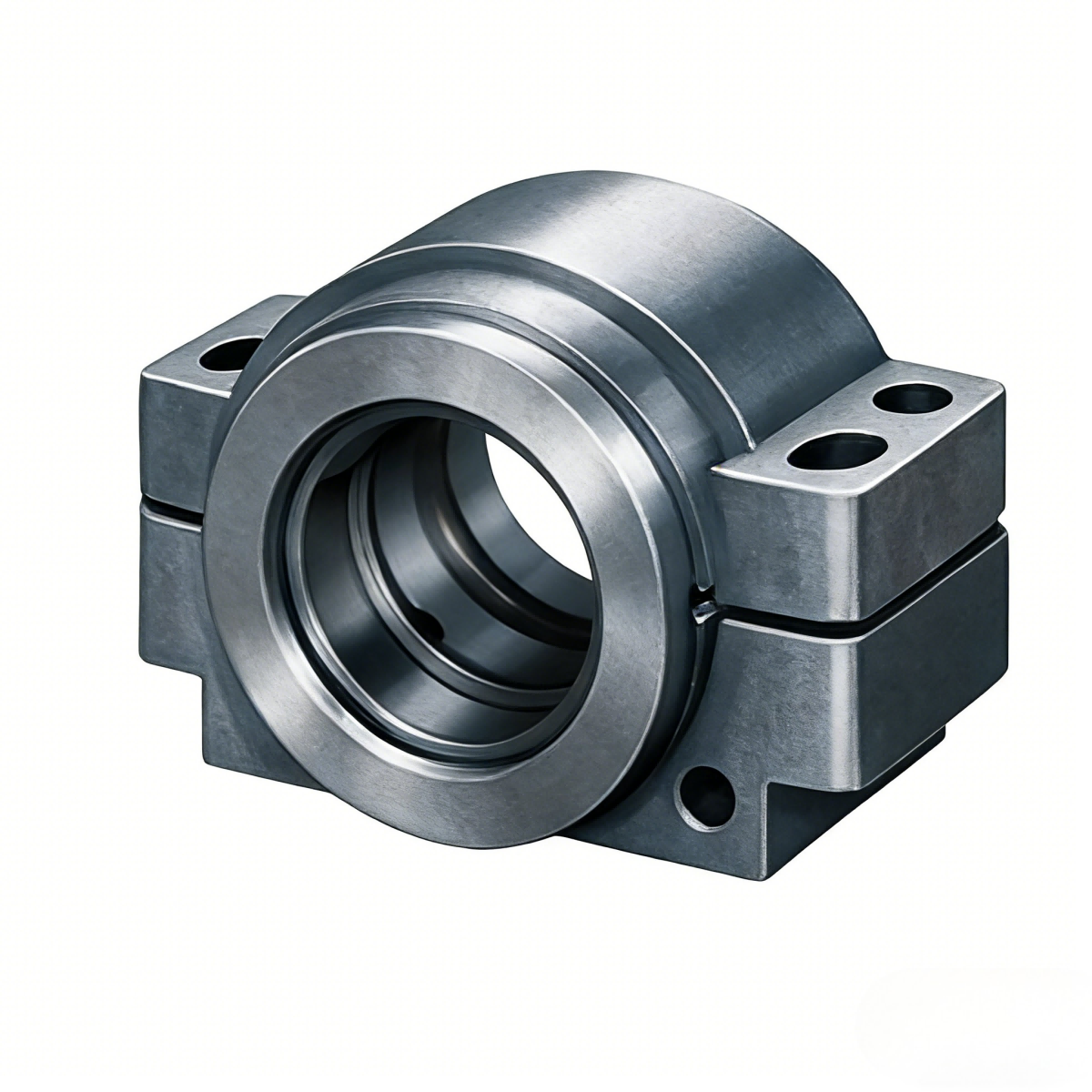
Selecting a supplier for custom forged coupling hubs requires more than just comparing prices. You need a partner who understands the engineering challenges of heavy-duty drivetrains. Here are the key factors procurement managers should evaluate:
Ensure your supplier controls the entire process from forging to machining. Outsourcing multiple stages increases lead times and quality risks. Liaoyuan provides a fully integrated solution under one roof.
Ask about their metallurgical capabilities. Do they perform ultrasonic testing? Can they certify material grades? Reliable suppliers provide comprehensive test reports for every batch of industrial gear components.
Verify if the factory has the capacity to scale production during peak demand. A robust facility with significant tonnage capacity ensures consistent supply even for large-scale projects.
Before finalizing your procurement decision for heavy machinery coupling components, use this checklist to verify that your supplier meets all essential criteria for quality, reliability, and technical capability.
Does the supplier provide full material certifications (MTC) and non-destructive testing reports (UT/MT)? Verify that their quality management system aligns with international standards.
Request samples or audit data regarding CNC machining tolerances. For coupling hubs, precise bore and keyway dimensions are critical for proper assembly and torque transmission.
Large forged components require specialized packaging to prevent rust and damage during transit. Confirm that the supplier uses seaworthy packing methods for international shipping.
Can the factory handle rush orders or volume spikes? Check their annual output capacity and current utilization rates to ensure they can meet your delivery deadlines.
When sourcing large forged shafts and coupling hubs, it is crucial to partner with manufacturers who have a proven track record in heavy industry. We recommend evaluating potential suppliers based on the following strategic advantages:
Prioritize suppliers with decades of experience serving the wind power and heavy equipment sectors. Long-standing manufacturers like Liaoyuan (founded in 1997) possess deep engineering knowledge specific to drivetrain component manufacturing.
Choose suppliers located near major ports with established export logistics. Proximity to Shanghai Port allows for efficient shipping of oversized components, reducing your overall landed cost and lead time.
The best suppliers offer OEM/ODM services, allowing you to customize hub dimensions, materials, and heat treatments to match your specific gearbox requirements. Avoid rigid suppliers who only offer standard catalogs.
Effective procurement requires clear communication channels. Select suppliers who provide regular production updates, detailed inspection photos, and responsive technical support throughout the order lifecycle.
Procuring industrial coupling hubs and forged components comes with unique challenges. Below are common issues buyers face and how experienced manufacturers mitigate them.
Solution: Implement strict incoming material inspections and require suppliers to use certified steel grades. Integrated manufacturers who control the melting and forging process internally can guarantee material consistency better than trading companies.
Solution: Plan for realistic lead times by choosing suppliers with high machine utilization efficiency and buffer capacity. Regularly communicate schedule changes to allow the manufacturer to adjust production priorities accordingly.
Solution: Specify detailed packaging requirements in your contract, including anti-corrosion VCI wrapping and wooden crate reinforcement. Conduct pre-shipment inspections to verify packaging integrity before goods leave the factory.
Key specifications include outer diameter, inner bore diameter, keyway dimensions, material grade (e.g., 42CrMo, 4140), hardness requirements, and surface finish standards. Providing detailed CAD drawings helps manufacturers avoid costly errors.
Forging refines the grain structure of the metal, eliminating internal voids and inclusions. This results in superior tensile strength, fatigue resistance, and impact toughness, making forged hubs ideal for high-load wind turbine drivetrain applications.
Lead times vary based on complexity and size, typically ranging from 30 to 60 days for standard orders. Large-scale custom components may require longer due to extended forging and heat treatment cycles. Expedited options may be available depending on factory capacity.
Yes, many manufacturers offer prototype or sample production for validation purposes. While this incurs additional costs, it allows you to verify dimensional accuracy and material properties before committing to full-volume orders.
Look for ISO 9001 certification for quality management. Additionally, suppliers in the wind power industry often hold specific industry certifications. Requesting third-party inspection reports (e.g., SGS, BV) adds an extra layer of assurance.
Privacy statement: Your privacy is very important to Us. Our company promises not to disclose your personal information to any external company with out your explicit permission.
Fill in more information so that we can get in touch with you faster
Privacy statement: Your privacy is very important to Us. Our company promises not to disclose your personal information to any external company with out your explicit permission.