

Please Leave Us A Message
Privacy statement: Your privacy is very important to Us. Our company promises not to disclose your personal information to any external company with out your explicit permission.



Forged blanks are the essential starting point for high-performance industrial components. Unlike cast or machined-from-solid parts, forged blanks undergo intense compressive forces that align the metal's grain structure, creating a continuous flow that follows the shape of the part.
The forging process densifies the material, eliminating internal voids and increasing impact resistance. This results in components that can withstand extreme loads while often weighing less than their cast counterparts.
For procurement specialists sourcing high-quality forged blanks, understanding this metallurgical advantage is critical. Whether you need raw preforms for further machining or near-net shapes to reduce processing time, forged blanks provide the structural integrity required for safety-critical applications like wind turbine drivetrains and heavy machinery gearboxes.
Jiangyin Liaoyuan New Energy Co., Ltd. operates a massive 60,000 m² manufacturing facility equipped with over 300 production machines. Our integrated capabilities cover the entire lifecycle of precision forged blanks: from open-die forming and ring rolling to heat treatment and CNC machining.
Massive annual capacity ensures we can support large-scale global orders without compromising lead times.
Capable of producing massive open-die forged shafts up to 8 meters in length, handling your heaviest requirements.
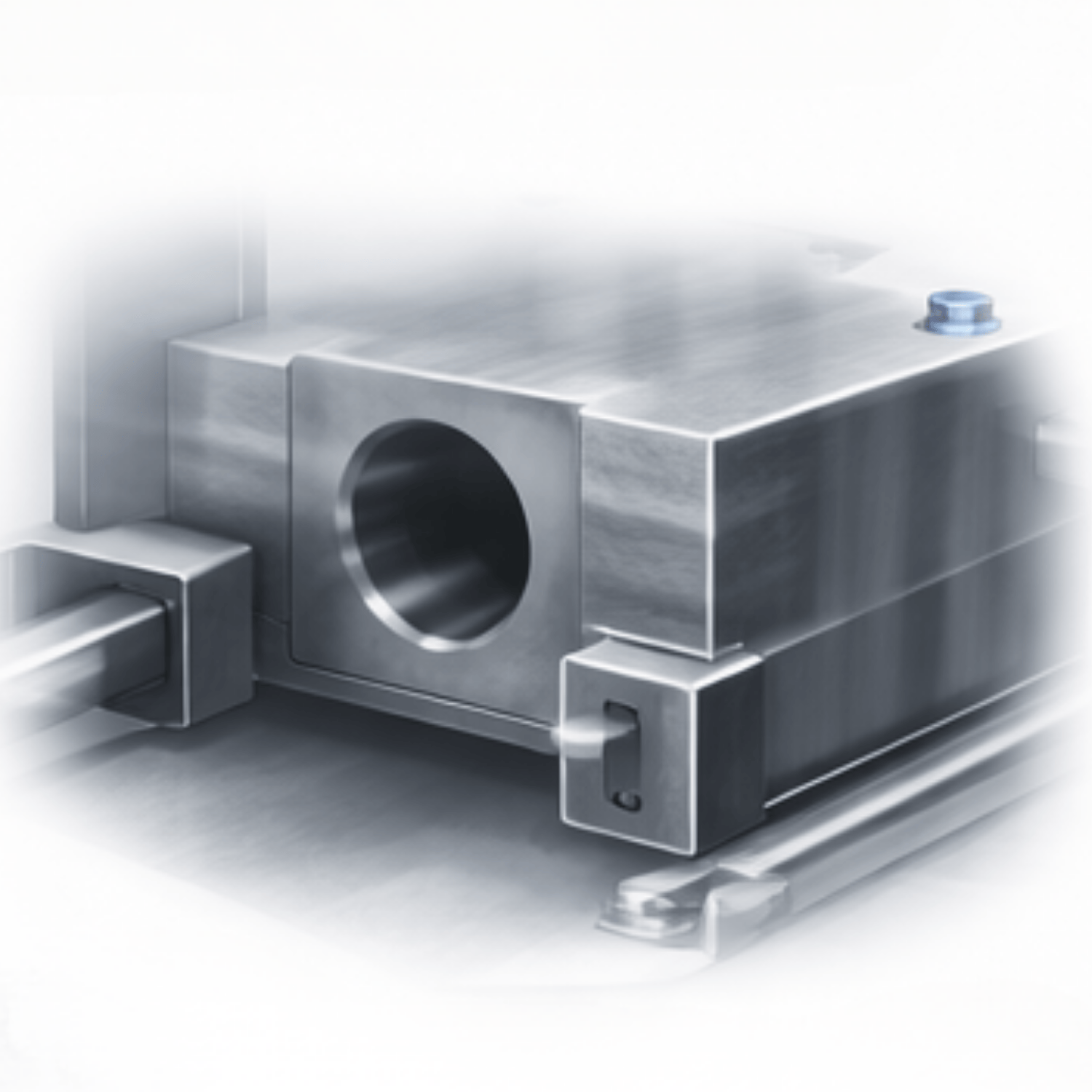
Choosing the right partner for industrial forged blanks requires looking beyond price. You need a supplier who combines heavy-industry experience with rigorous quality control systems.
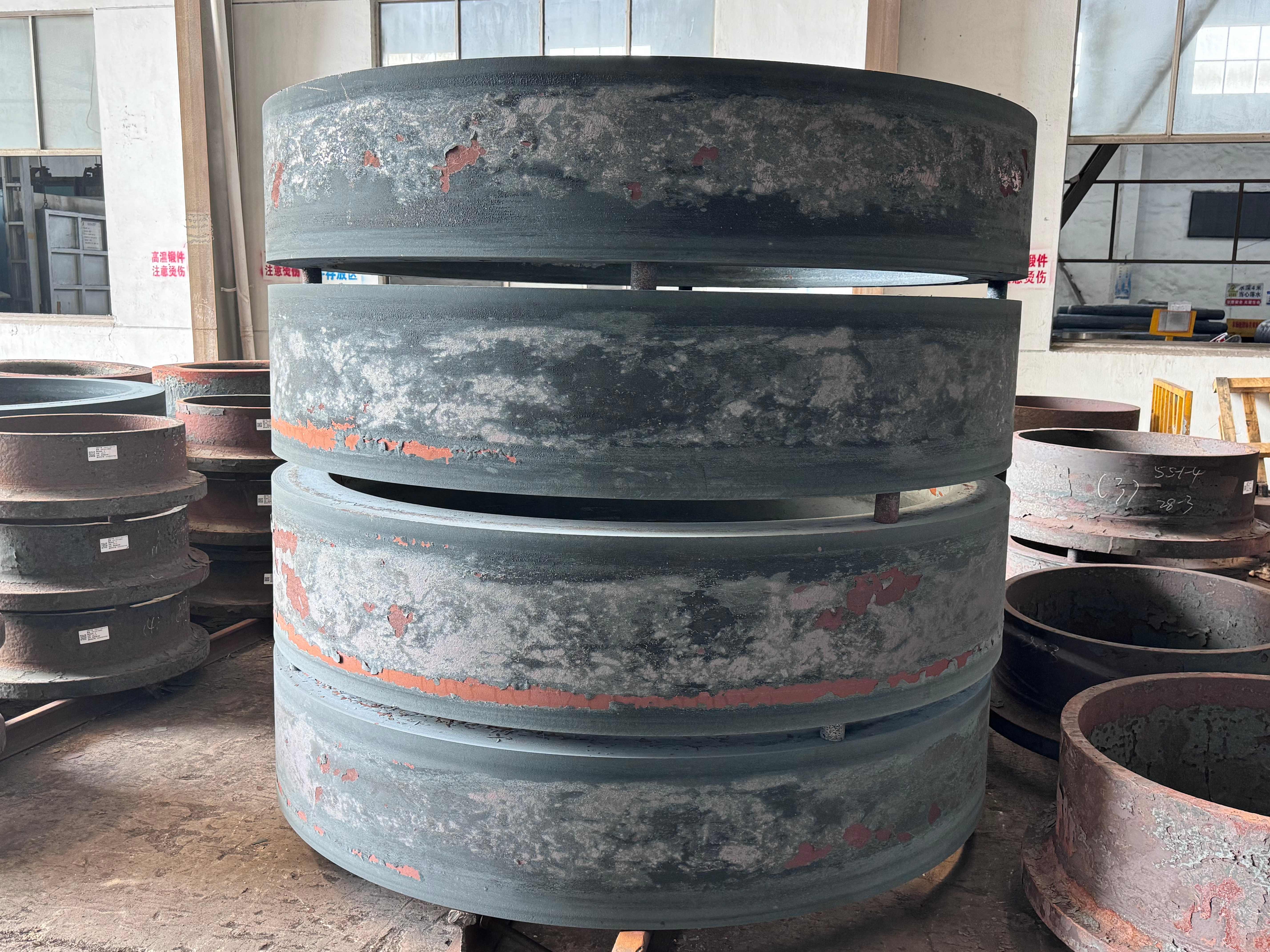
Use this checklist to evaluate potential suppliers of forged rings and blanks before signing contracts.
Can they handle your volume? Ensure the supplier has an annual capacity (like 120k tons) sufficient to scale with your demand without bottlenecks.
Do they cover your size needs? Verify maximum weight (up to 10T) and diameter (up to 5m) capabilities match your component specifications.
Is the testing advanced enough? Check for in-house CMM and ultrasonic testing labs rather than relying on third-party audits.
Where is the factory located? Proximity to major ports (like Shanghai, 140km away) simplifies export logistics and reduces shipping costs.
Can they supply multiple formats? Look for suppliers offering everything from rough blanks to fully machined assemblies to simplify your supply chain.
How long have they operated? Established manufacturers (founded in 1997) bring stability and refined process controls to your projects.
Forged blanks are the backbone of modern heavy industry. Their ability to transmit high torque and resist fatigue makes them indispensable in sectors where failure is not an option.
Critical for main shafts, generator rotors, and gearbox components in wind turbines, where exposure to constant variable loads demands superior material strength.
Used in coupling hubs, planetary gears, and bearing rings that transfer massive power outputs in industrial drive systems.
Essential for mining equipment, construction hydraulics, and agricultural machinery requiring durable, shock-resistant components.
When sourcing heavy industrial forged blanks, buyers benefit from partnering with a manufacturer that offers end-to-end control. Jiangyin Liaoyuan provides a compelling value proposition through its scale, integration, and technical expertise.
From raw billet to finished assembly, Liaoyuan controls every step. This eliminates hand-off delays and ensures consistent quality across the entire supply chain.
Located in Jiangsu Province, just 140 km from Shanghai Port, the facility offers streamlined access to international shipping routes, reducing transit times for global OEMs.
With decades of focus on wind power and transmission components, the engineering team understands the specific metallurgical requirements of these high-stress applications.
A workforce of 380 employees and 300+ machines allow the company to ramp up production quickly to meet urgent project deadlines or seasonal spikes in demand.
Forged blanks are formed by compressive forces that align the metal grain structure, resulting in higher strength and better impact resistance compared to cast blanks, which solidify in a mold and may have internal porosity.
Capabilities typically include open-die forged shafts up to 10 tons and 8 meters in length, as well as seamless rolled rings up to 5 meters in diameter, suitable for very large industrial applications.
Yes, we provide integrated services ranging from near-net forged blanks to fully machined components ready for assembly, utilizing advanced CNC equipment in our facility.
We utilize in-house CMM (Coordinate Measuring Machine) measurement and advanced ultrasonic testing systems to verify the dimensional accuracy and internal integrity of every component against international standards.
Our primary markets include wind power generation, power transmission systems, and heavy equipment manufacturing, supplying critical drivetrain and gearbox components to global OEMs.
Privacy statement: Your privacy is very important to Us. Our company promises not to disclose your personal information to any external company with out your explicit permission.
Fill in more information so that we can get in touch with you faster
Privacy statement: Your privacy is very important to Us. Our company promises not to disclose your personal information to any external company with out your explicit permission.