


Please Leave Us A Message
Privacy statement: Your privacy is very important to Us. Our company promises not to disclose your personal information to any external company with out your explicit permission.



Heavy load forging is a critical manufacturing process for producing high-strength metal components used in demanding industrial applications. This specialized technique involves shaping massive metal billets through controlled deformation under extreme pressure, creating parts with superior mechanical properties compared to standard casting methods.
For global procurement teams sourcing heavy duty components, understanding heavy load forging capabilities is essential. Our integrated manufacturing facility in Jiangsu Province combines open-die forging, ring rolling, and precision CNC machining to deliver forged rings, shafts, and gearbox components that meet the most rigorous international quality standards.
The heavy load forging process ensures consistent grain flow patterns throughout each component, significantly enhancing fatigue resistance and structural integrity. This makes our forged products ideal for wind turbine drivetrains, industrial gearboxes, and power generation equipment where failure is not an option.
Investing in professional heavy load forging services provides significant advantages for OEMs and industrial equipment manufacturers. With an annual capacity of 120,000 tons and over 300 production machines, we offer scalable manufacturing solutions that support both prototype development and high-volume production runs.
Our comprehensive approach to heavy industry components covers every stage from raw material selection to final inspection. This end-to-end control ensures that your heavy load components meet exact specifications while maintaining competitive pricing and reliable delivery schedules for your supply chain.
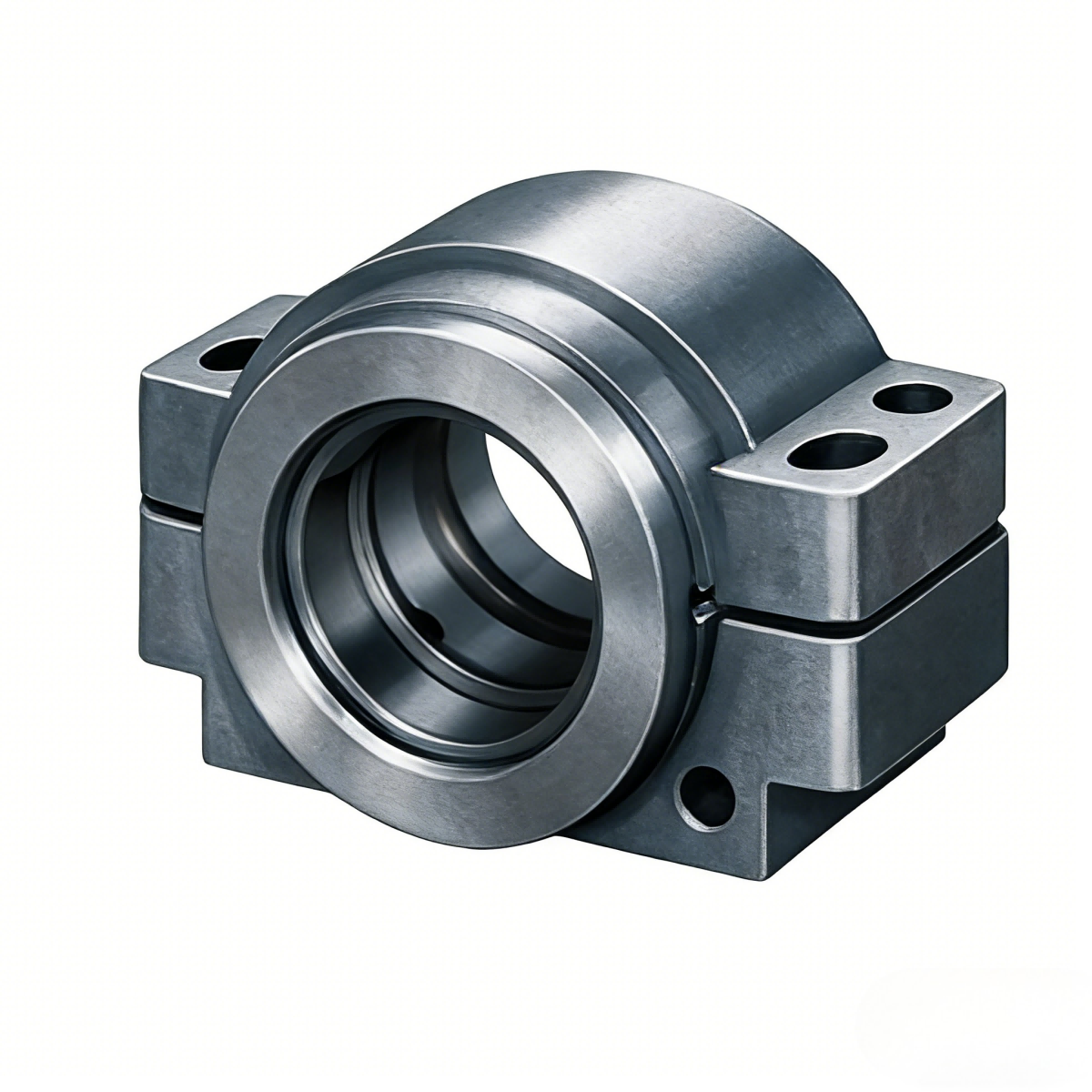
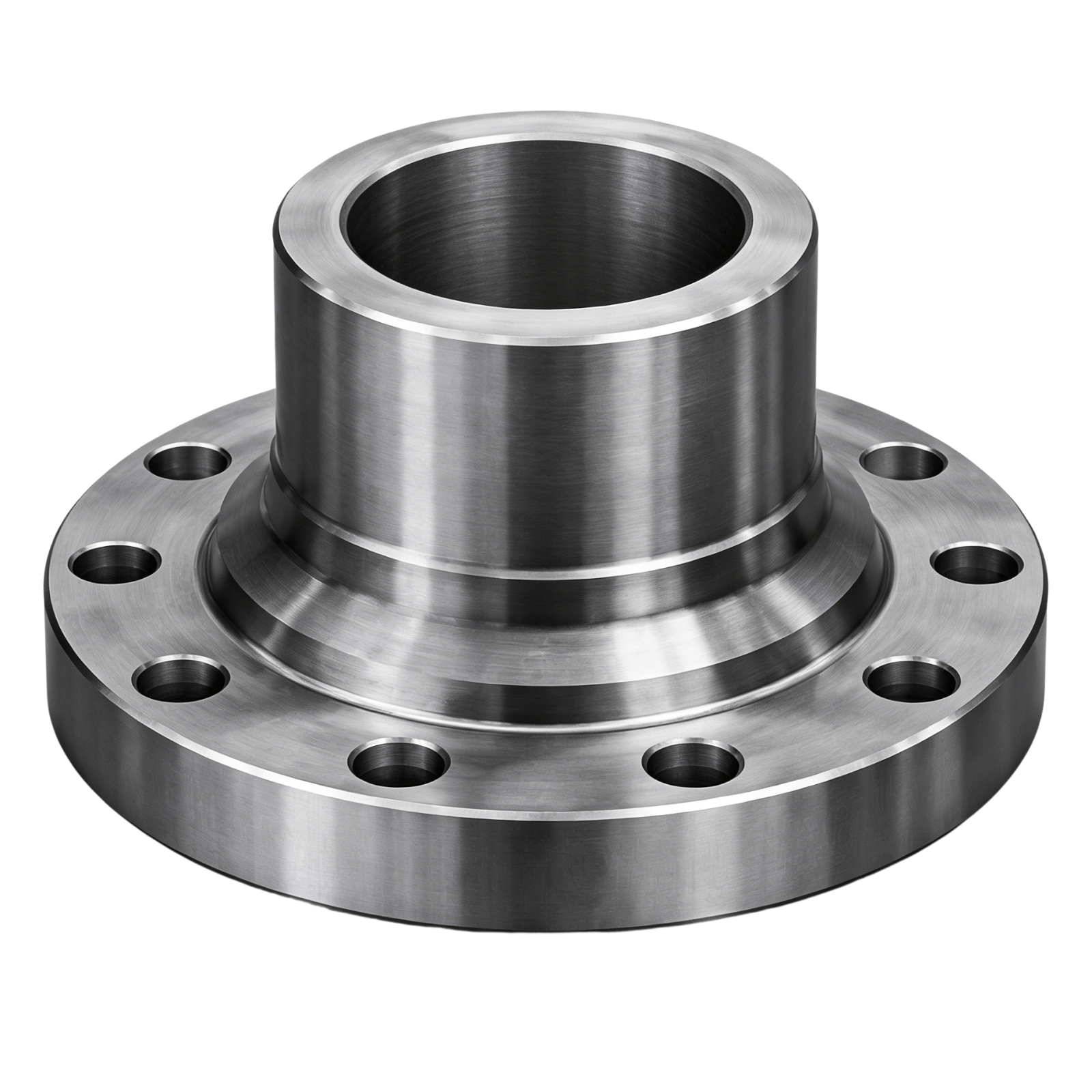
Our commitment to quality excellence in heavy load manufacturing is supported by advanced inspection technology and experienced engineering teams. Every forged component undergoes rigorous testing including CMM measurement and ultrasonic inspection to verify dimensional accuracy and internal integrity.
We maintain strict process control across all production stages, from initial billet preparation through final machining and surface treatment. This systematic approach ensures that our heavy duty forged components consistently meet or exceed international standards such as ISO, CE, and RoHS requirements.
Our quality management system includes comprehensive documentation and traceability for every batch, providing procurement teams with complete visibility into component origins and manufacturing history. This transparency is crucial for industries requiring certified heavy load components.
Selecting the right heavy load forging partner requires careful evaluation of technical capabilities, quality systems, and production capacity. Start by verifying the supplier's experience with your specific component type and application requirements. Look for manufacturers who demonstrate expertise in handling large-scale forgings up to 10 tons and 8 meters in length.
Evaluate their investment in modern equipment and technology. Advanced CNC machining centers, automated heat treatment facilities, and sophisticated inspection equipment indicate a supplier capable of meeting tight tolerances and complex geometries. These capabilities are essential for producing precision heavy load components.
Consider the supplier's geographic location and logistics infrastructure. Proximity to major ports like Shanghai reduces shipping costs and lead times for international orders. A well-established export track record demonstrates reliability in handling customs documentation and international shipping requirements.
Verify maximum forging weight and dimensions match your requirements
Confirm CNC machining precision and surface finish capabilities
Check heat treatment equipment and process control systems
Review certification portfolio and audit reports
Assess inspection laboratory capabilities and equipment
Verify traceability systems and documentation processes
Confirm annual output capacity and current utilization rates
Evaluate lead times for standard and custom orders
Assess scalability for volume growth requirements
Look for suppliers offering complete vertical integration from raw material processing through final machining. This approach reduces supply chain complexity and improves quality consistency for heavy load components.
Prioritize manufacturers with state-of-the-art testing laboratories featuring CMM, ultrasonic testing, and magnetic particle inspection. These capabilities ensure defect detection at every production stage.
Choose suppliers with proven track records serving international markets. Experience with diverse regulatory requirements and cultural communication styles reduces risk in global procurement relationships.
Select partners capable of developing custom engineering solutions rather than offering only standard catalog items. Flexibility in design optimization can reduce your total cost of ownership significantly.
Consider suppliers implementing environmentally responsible manufacturing processes. Sustainable practices increasingly influence procurement decisions and may provide competitive advantages in regulated markets.
Modern suppliers should offer digital ordering platforms, real-time production tracking, and electronic documentation. These tools streamline procurement workflows and improve supply chain visibility.
Heavy load forged components are essential for wind turbine main shafts, gearbox housings, and bearing rings. These critical parts must withstand extreme cyclic loads and harsh environmental conditions for decades of reliable operation.
Thermal and hydroelectric power plants rely on precision forged components for turbine shafts, generator rotors, and coupling hubs. These applications demand exceptional material properties and dimensional accuracy.
Heavy equipment manufacturers use forged gears, shafts, and planetary components in construction machinery, mining equipment, and steel production facilities. Durability under continuous heavy loads is paramount.
Shipbuilding and offshore platforms require corrosion-resistant forged components for propulsion systems and steering mechanisms. Saltwater environments demand special material grades and surface treatments.
Crushers, mills, and dragline excavators depend on massive forged components capable of absorbing shock loads and abrasive wear. These applications often require customized designs and specialized heat treatments.
Drilling equipment and pipeline infrastructure utilize forged flanges, valves, and connection components designed for high-pressure applications. Safety-critical requirements drive stringent quality standards.
Lead times for heavy load forged components typically range from 8 to 16 weeks depending on component size, complexity, and current production schedule. Standard items may be available faster, while custom-designed components require additional time for engineering approval and tooling setup.
Common certifications include ISO 9001 for quality management, ISO 14001 for environmental management, and industry-specific standards such as DNV for marine applications or API for oil and gas equipment. Many customers also require third-party audits and material traceability documentation.
Yes, our ring rolling capabilities support seamless rings up to 5 meters in diameter. These components are ideal for bearing races, gear blanks, and structural rings in heavy industrial equipment. We offer various material grades including carbon steel, alloy steel, and stainless steel options.
Our comprehensive testing program includes ultrasonic testing for internal defects, magnetic particle inspection for surface cracks, CMM measurement for dimensional verification, and mechanical testing for tensile strength and impact resistance. All tests follow applicable international standards.
We offer both OEM manufacturing based on customer drawings and ODM services where our engineering team develops optimized designs. Our flexible approach allows us to accommodate various business models while maintaining consistent quality standards and competitive pricing.
Quality consistency is maintained through standardized operating procedures, automated process monitoring, and comprehensive statistical process control. Each production batch receives identical quality inspection protocols, and we maintain detailed records for full traceability and continuous improvement.
Privacy statement: Your privacy is very important to Us. Our company promises not to disclose your personal information to any external company with out your explicit permission.
Fill in more information so that we can get in touch with you faster
Privacy statement: Your privacy is very important to Us. Our company promises not to disclose your personal information to any external company with out your explicit permission.