


Please Leave Us A Message
Privacy statement: Your privacy is very important to Us. Our company promises not to disclose your personal information to any external company with out your explicit permission.



Industrial rotating machinery refers to heavy-duty mechanical systems designed to transmit power, manage high loads, and maintain precise rotational speeds in demanding environments. At the core of these systems are critical components like forged shafts, rolled rings, and precision gearbox parts that ensure reliable operation for wind turbines, industrial gearboxes, and power generation equipment.
For global OEMs, sourcing high-quality rotating components is not just about buying parts—it's about securing a supply chain capable of withstanding extreme stress, vibration, and continuous operation. Jiangyin Liaoyuan New Energy Co., Ltd. specializes in manufacturing these essential elements, providing near-net forged blanks or fully machined drivetrain components ready for assembly.
Whether you require large-diameter seamless rolled rings or complex planetary gearbox components, understanding the specifications and manufacturing standards of industrial rotating machinery is vital for minimizing downtime and maximizing operational efficiency.
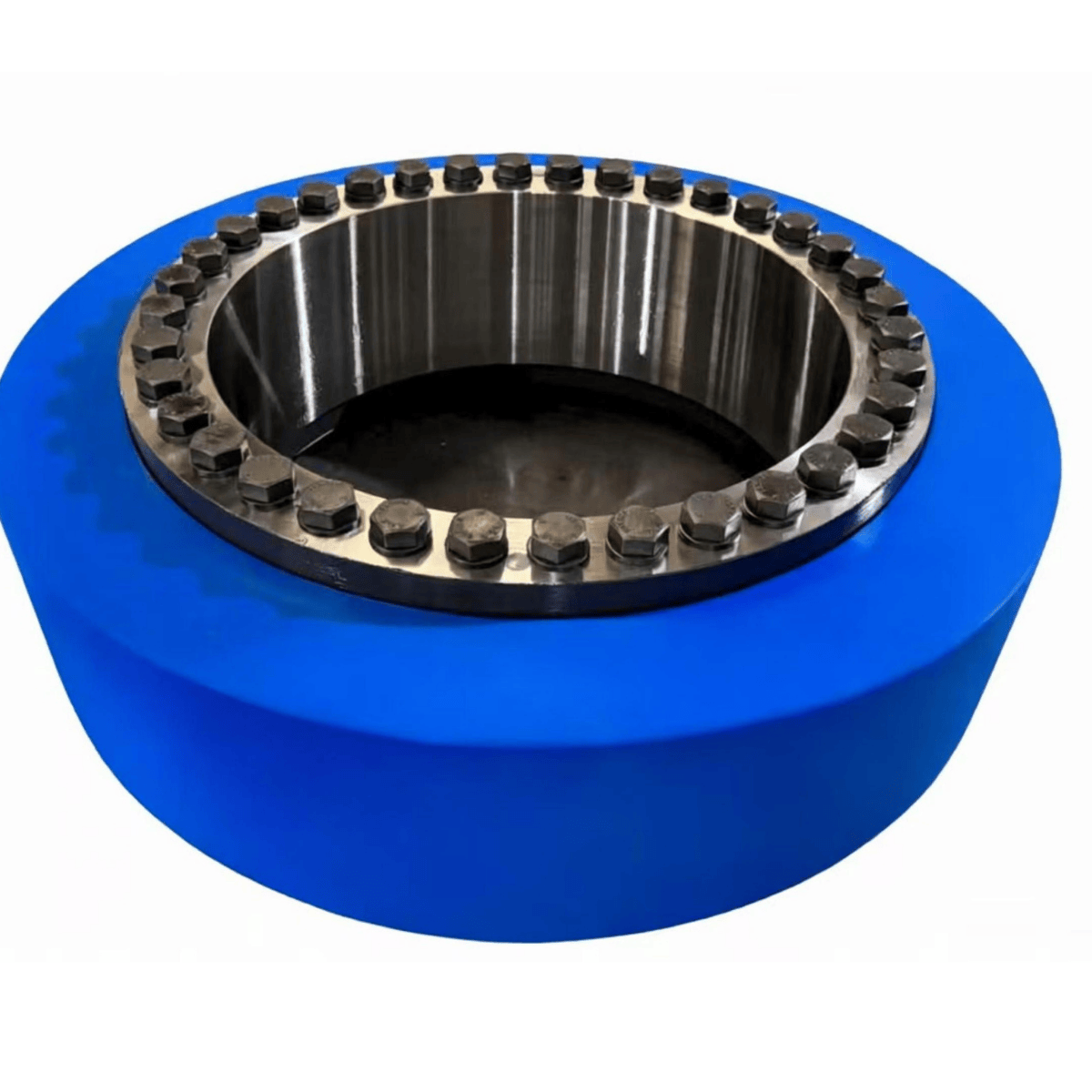
With an annual forging capacity of 120,000 tons and over 300 production machines, we support large-scale orders without compromising on lead times.
Buyer Benefit: Scalable production ensures your project timelines are met, even during peak demand periods.
Our facility integrates open-die forging, ring rolling, heat treatment, and CNC machining under one roof.
Buyer Benefit: A single-source supplier reduces coordination risks and ensures tighter tolerances across all processing stages.
Every component undergoes strict process control, including CMM measurement and advanced ultrasonic testing by our dedicated quality specialists.
Buyer Benefit: Verified international quality standards minimize the risk of field failures and costly recalls.
Located in Jiangsu Province, approximately 140 km from Shanghai Port, our 60,000 m² facility facilitates efficient global shipping.
Buyer Benefit: Proximity to major ports simplifies export logistics and helps lower your landed costs.
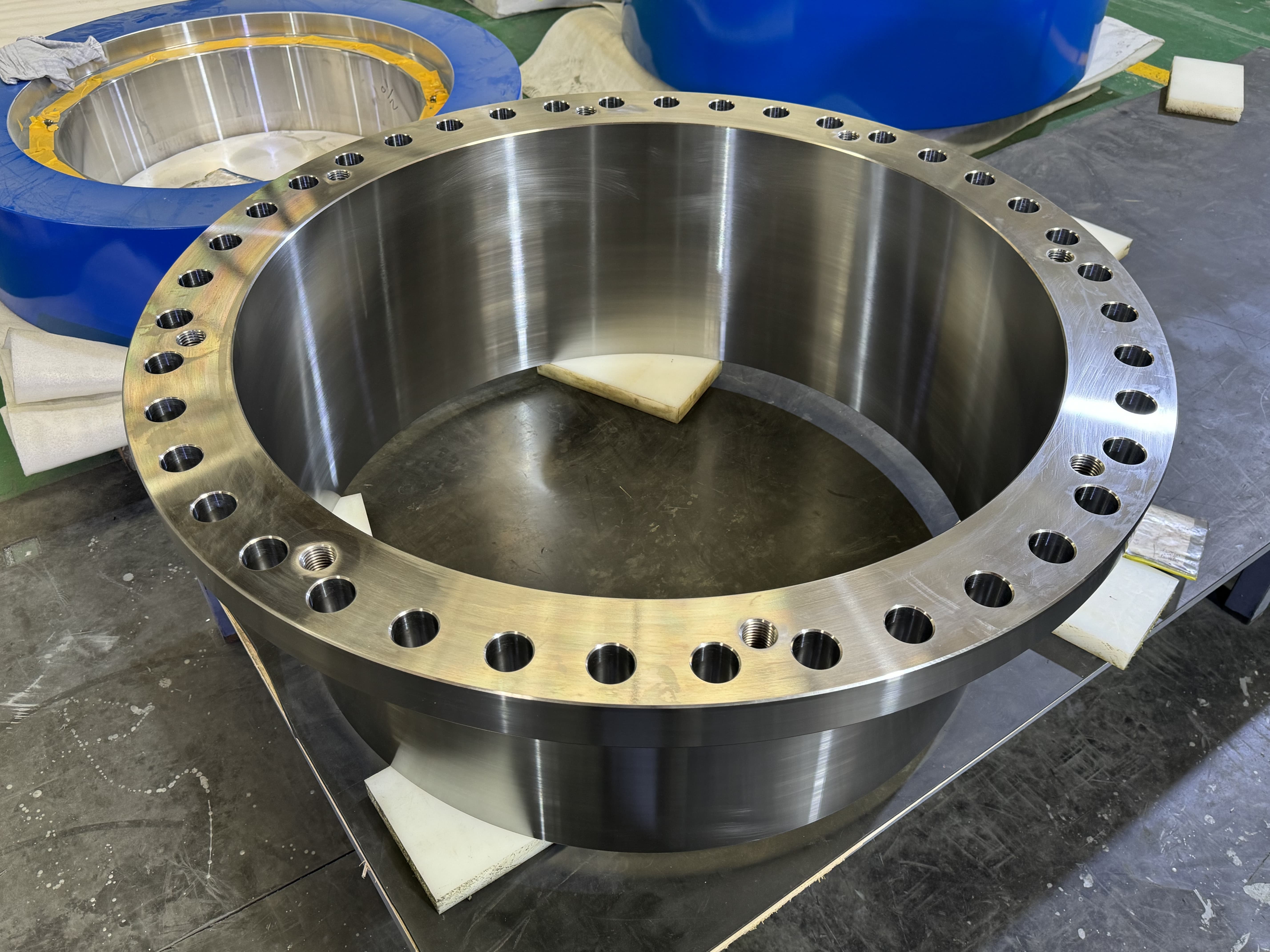
Selecting the right partner for industrial rotating machinery components requires evaluating more than just price. Buyers must assess the supplier's ability to handle complex geometries, maintain material integrity, and deliver consistent batch quality.
Look for manufacturers with integrated capabilities—from raw forging to final machining. This vertical integration allows for better quality control and faster troubleshooting if issues arise. Additionally, verify their experience in your specific industry, such as wind power or heavy equipment, as application-specific knowledge significantly impacts component performance.
Finally, consider the supplier's technological investment. Facilities equipped with modern CNC machinery and non-destructive testing systems are better positioned to meet the stringent demands of modern drivetrain applications.
Verify CMM and ultrasonic testing capabilities are in-house.
Confirm maximum dimensions for forged shafts and rolled rings.
Check for relevant industry certifications and material traceability.
Assess annual production capacity against your volume requirements.
Evaluate lead times for both prototype and mass production runs.
Review packaging standards to prevent damage during transit.
Inconsistent forging density can lead to premature fatigue failure in high-load applications.
Solution: Partner with suppliers who use advanced ultrasonic testing to detect internal defects before machining.
Poor tolerance control in gearbox components can cause assembly delays and increased fitting costs.
Solution: Require suppliers with in-house CNC machining to guarantee precise tolerances from blank to finished part.
Fragmented supply chains involving separate foundries, heat treaters, and machine shops often result in schedule slippage.
Solution: Choose integrated manufacturers who control the entire production process under one roof.
Critical components for turbine drivetrains, including main shafts and gearbox rings, designed to withstand variable environmental loads.
High-strength forged shafts and coupling hubs that ensure efficient power transfer in industrial drive systems.
Durable bearing rings and shrink discs built for mining, construction, and agricultural machinery operating in harsh conditions.
Look for suppliers like Jiangyin Liaoyuan that combine forging, rolling, heat treatment, and machining. This integration eliminates hand-off delays and ensures consistent quality control throughout the production cycle.
Prioritize manufacturers with a history of serving global OEMs in wind power and heavy industry. Their experience translates to a deeper understanding of your technical requirements and compliance standards.
Ensure your supplier invests in state-of-the-art inspection technology, such as CMM and ultrasonic testing. This capability is non-negotiable for ensuring the structural integrity of critical rotating components.
Choose partners capable of handling volumes from specialized prototypes to large-scale mass production. A facility with 120,000+ tons annual capacity offers the flexibility to grow with your business needs.
When selecting suppliers, prioritize integrated manufacturing capabilities, quality assurance infrastructure (such as CMM and ultrasonic testing), and proven experience in your specific industry sector. These factors directly impact component reliability and supply chain stability.
Yes, many advanced manufacturers offer customized solutions ranging from near-net forged blanks to fully machined components. This flexibility allows you to optimize your assembly process and reduce secondary machining costs.
These components are essential in wind power generation, industrial gearboxes, power transmission systems, and heavy equipment manufacturing. They play a critical role in high-load transmission and drivetrain systems where reliability is paramount.
Integrated manufacturing consolidates forging, heat treatment, and machining under one roof. This reduces logistical complexity, shortens lead times, and provides better visibility into the production process, ultimately lowering your procurement risk.
Components must typically meet international quality standards for material integrity and dimensional accuracy. Advanced inspection methods, including ultrasonic testing and coordinate measuring machine (CMM) analysis, are used to verify compliance.
Privacy statement: Your privacy is very important to Us. Our company promises not to disclose your personal information to any external company with out your explicit permission.
Fill in more information so that we can get in touch with you faster
Privacy statement: Your privacy is very important to Us. Our company promises not to disclose your personal information to any external company with out your explicit permission.