

Please Leave Us A Message
Privacy statement: Your privacy is very important to Us. Our company promises not to disclose your personal information to any external company with out your explicit permission.



Hub components are the critical mechanical interfaces that connect rotating shafts to other machinery parts like gears, pulleys, or wheels. In heavy industrial applications, these hub components bear the brunt of high torque and radial loads.
Manufactured from high-strength steel through open-die forging and precision CNC machining, hub components ensure reliable power transmission in wind turbines, industrial gearboxes, and heavy equipment. The integrity of these components directly impacts your operational uptime and maintenance costs.
Jiangyin Liaoyuan New Energy Co., Ltd. provides a complete manufacturing solution for heavy-duty hub components. With an annual capacity of 120,000 tons and over 300 production machines, we offer scalability that smaller foundries cannot match.
From raw forging to final inspection, our integrated process ensures consistency. We handle open-die forging, ring rolling, heat treatment, and CNC machining in-house, reducing lead times and supply chain risks for global OEMs.
Our team of quality specialists uses CMM measurement and advanced ultrasonic testing to verify every batch. This rigorous inspection guarantees that our hub components meet international standards for durability and performance.
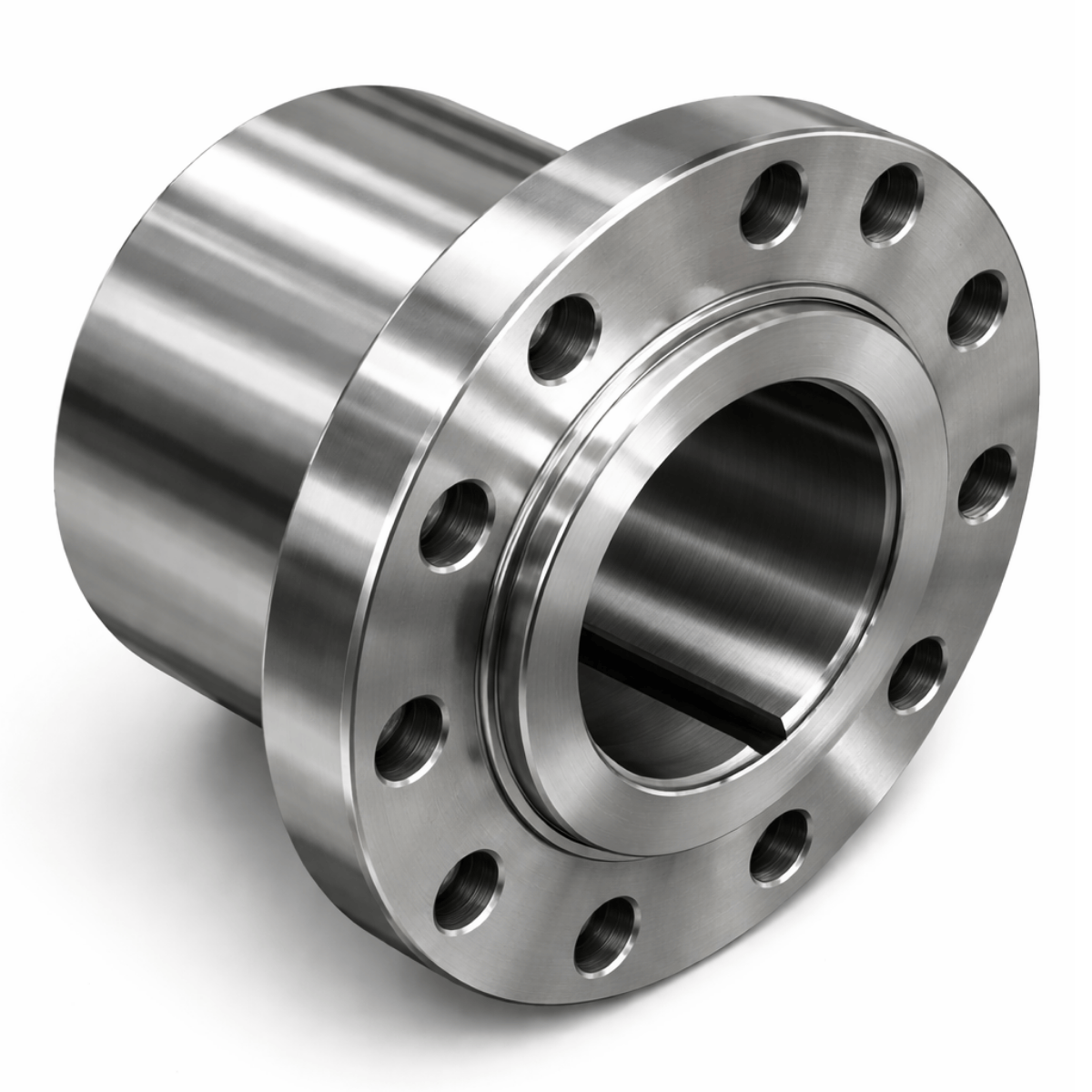
Selecting the correct custom hub components requires balancing technical specifications with procurement goals. Whether you need near-net forged blanks or fully machined assemblies, understanding your load requirements is essential.
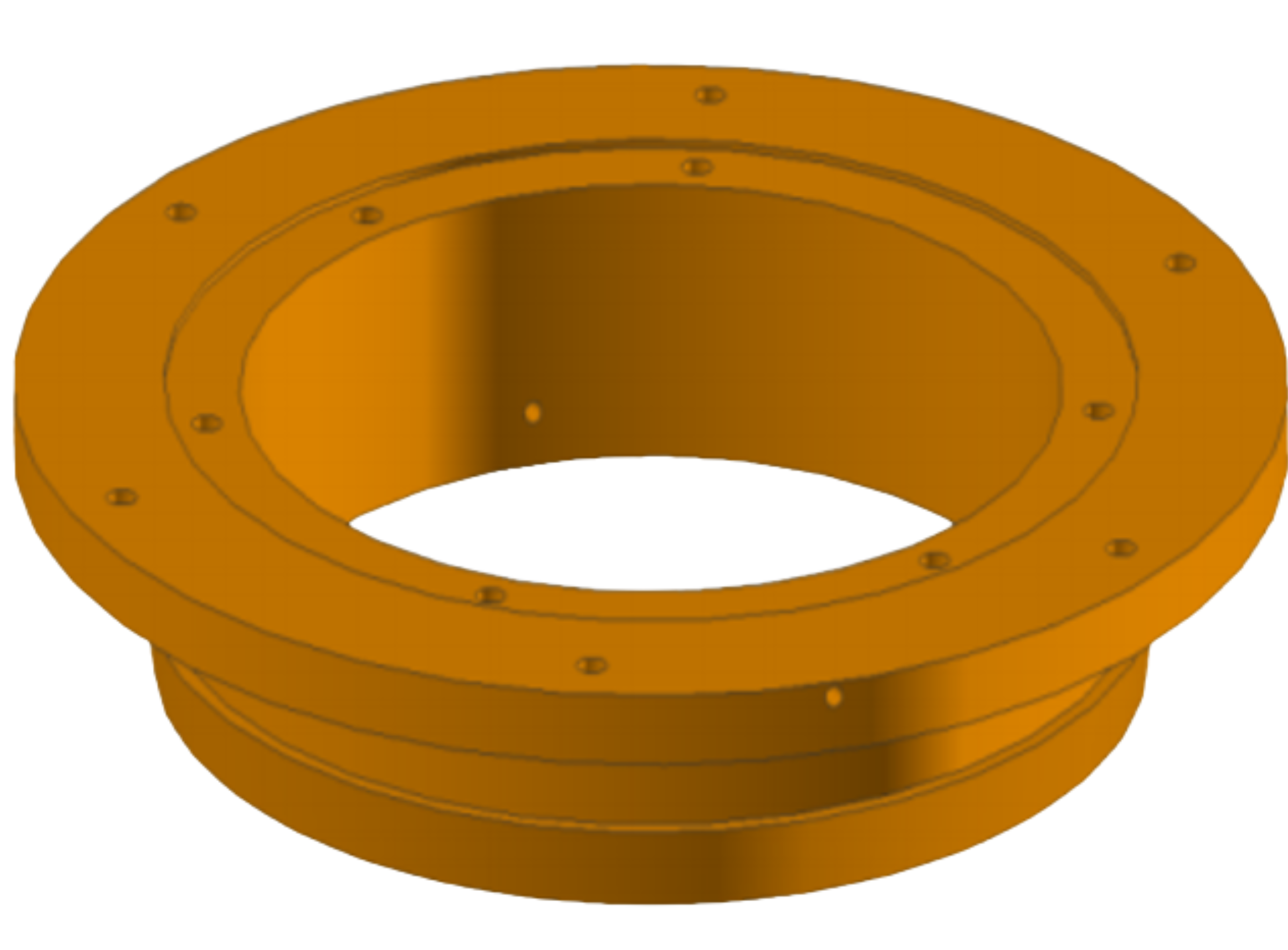
Choose between open-die forging for large shafts and seamless rolled rings for circular hubs based on your design limits. High-strength alloy steels provide better fatigue resistance for high-load applications.
Specify whether you require rough-machined components for further processing or fully finished parts ready for assembly. Tight tolerances reduce your downstream machining costs and speed up time-to-market.
Use this checklist to evaluate potential suppliers and minimize procurement risk when sourcing industrial hub components.
Sourcing heavy industrial components often presents specific challenges. Understanding these common issues helps you avoid costly delays and quality failures.
Without rigorous internal testing, forged hubs may contain micro-cracks or inclusions that lead to premature failure under high load.
Poor machining tolerances can result in misalignment during assembly, causing vibration and increased wear in drivetrain systems.
Fragmented supply chains involving separate foundries and machine shops often lead to communication gaps and extended lead times.
When evaluating partners for large forged hub components, prioritize manufacturers with integrated capabilities and proven track records in heavy industry.
A top choice for global OEMs due to their 60,000 m² facility, 120,000-ton annual capacity, and comprehensive in-house processes from forging to CNC machining.
Look for suppliers with CMM inspection labs, experience with wind power and gearbox applications, and established logistics routes to your region.
Hub components are vital across multiple heavy industries where reliable power transmission is non-negotiable.
Used in main shafts and gearbox connections within wind turbine drivetrains to handle variable wind loads and torque.
Essential for coupling hubs and drive systems in thermal and hydroelectric power generation equipment.
Supports planetary gearboxes and drive axles in mining, construction, and marine vessels requiring high durability.
High-strength alloy steels are standard, selected for their ability to withstand high torque and fatigue. The specific grade depends on the application's load requirements.
Yes, our forging and machining capabilities allow us to produce custom hubs ranging from near-net blanks to fully assembled components tailored to your specifications.
Lead times vary based on complexity and volume. Integrated manufacturing allows us to streamline the process, but specific timelines should be discussed with our engineering team.
We maintain strict process control and use advanced testing (CMM, ultrasonic) to ensure compliance with international quality standards for industrial components.
Privacy statement: Your privacy is very important to Us. Our company promises not to disclose your personal information to any external company with out your explicit permission.
Fill in more information so that we can get in touch with you faster
Privacy statement: Your privacy is very important to Us. Our company promises not to disclose your personal information to any external company with out your explicit permission.